Ten companies in three days: our visit to the Jospong Group in Ghana
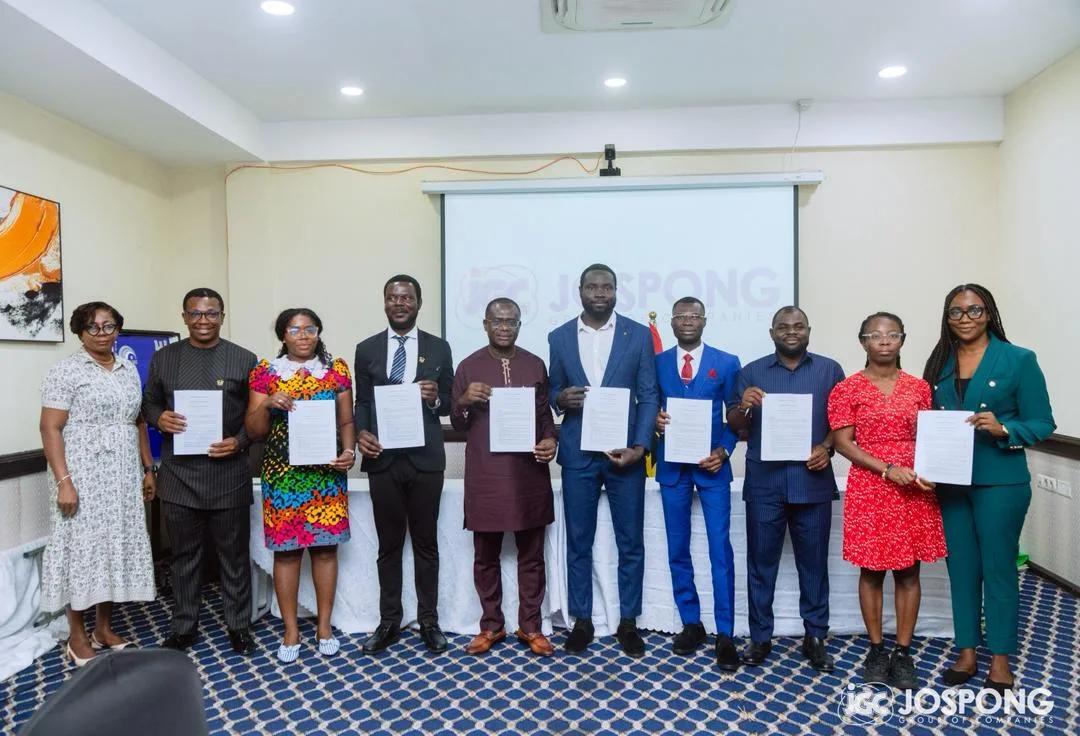
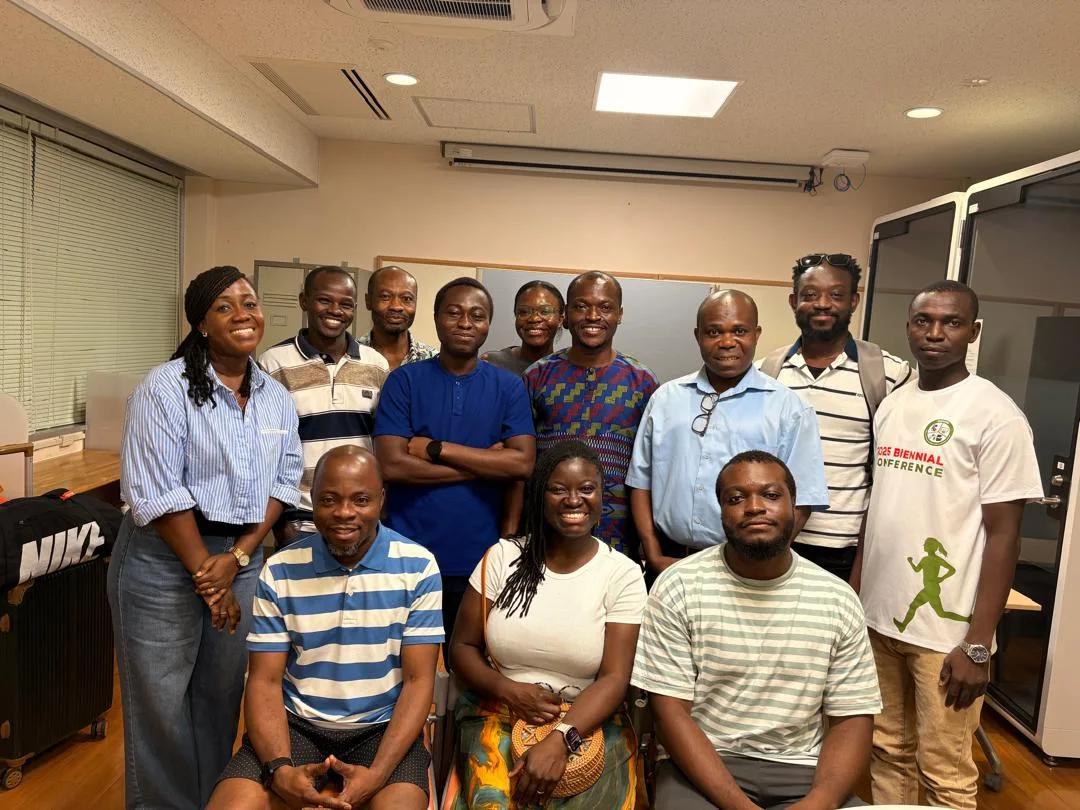
In October 2025, four GSU-Japan members visited ten companies of the Jospong Group in Accra, Kumasi and Kpone at the Group's invitation, to see how they work and where research from Japan could help.
執筆:GSU-Japan
The idea of GRAIN, the Global Research and Innovation Network, was born when the Jospong Group met Ghanaian students in Japan in Yokohama in August 2025 (Students Meet the Jospong Group). From that idea, the Group invited GSU-Japan members to Ghana on a trip it paid for in full.
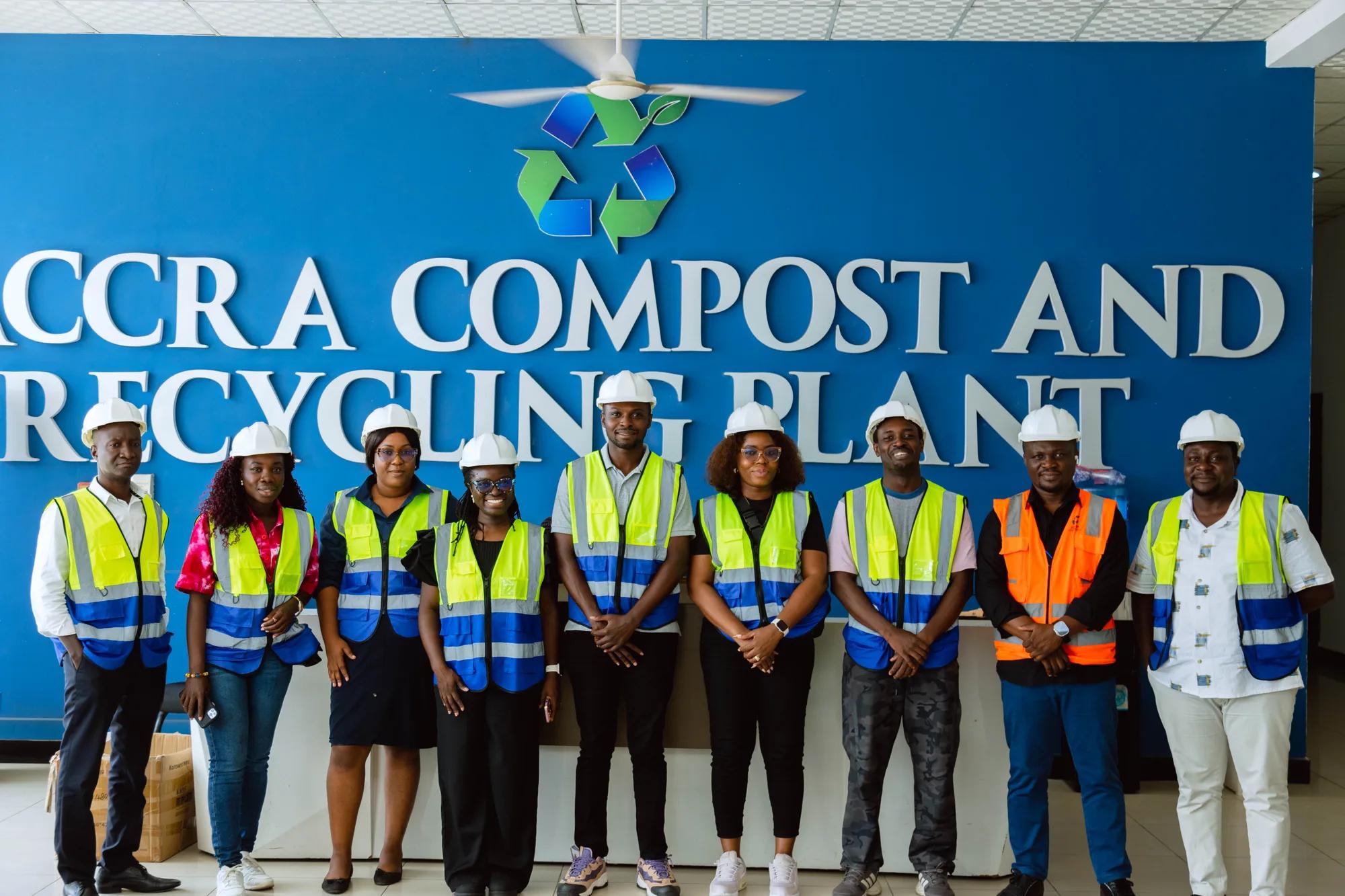
From 27 to 29 October 2025, Caroline Awuye, Dr. Floret Maame Owusu, Nii Amarquaye Commey and Dr. Daniel Twum-Ampofo visited ten of the Group's companies, to understand how they operate and to find where research could make a difference.
Three days, ten companies
- Monday 27 October, Accra: Abokobi Transfer Station, the Accra Compost and Recycling Plant (ACARP), J.A. Plant Pool and Sewerage Systems Ghana Limited (SSGL)
- Tuesday 28 October, Kumasi: the Kumasi Compost and Recycling Plant (KCARP), the Wastewater Treatment Plant and the Medical Waste Treatment Facility
- Wednesday 29 October: Kpone Landfill, Universal Plastic Products & Recycling (UPPR) and the Zoomlion Workshop
Together these companies form the Group's chain for waste and resource recovery: collecting and transferring waste, composting it, recycling plastic into new products, treating sewage, wastewater and medical waste, and maintaining the vehicles and equipment that keep it all running.
What the team saw
The team found the companies working as one connected system that contributes to Ghana's circular economy, with a skilled and dedicated workforce. At ACARP, staff were already researching new products made from compost. The Medical Waste Treatment Facility treats hazardous waste by autoclaving and shredding, in line with EPA and WHO standards, and UPPR turns pelletised plastic waste into bowls, bins, buckets and chairs.
Where research can help
In their report to the Group, the team proposed:
- a Jospong research liaison unit to coordinate partnerships with researchers in Ghana and the diaspora
- renewable energy, such as solar, biogas and hydrogen, for the most energy-intensive plants
- stronger laboratories and shared environmental data across the companies
- regular innovation forums, internships and exchanges between the Group and researchers
They also identified research themes for students: renewable energy and the circular economy, artificial intelligence for sorting waste and planning collection routes, the safe use of compost and treated wastewater in agriculture, and public health and policy around waste.
The visit helped shape GRAIN, which the Jospong Group and Ghanaian students abroad formalised on 2 January 2026 (What is GRAIN?).